In This Article
Good olive oil packaging does two things: it protects the olive oil from light and oxygen, and it communicates quality, a harvest date, an extra virgin grade, a clear origin and producer, and an opaque container in a size that fits how you cook.
Why Is Packaging About Quality, Not Just Looks?
Extra virgin olive oil begins to change the moment it is bottled or tinned. Light, heat, and air drive oxidation, and UV rays that penetrate clear glass are especially hard on flavor and on the naturally occurring antioxidants that give fresh olive oil its character. So olive oil packaging is both protection and marketing: a producer who cares about freshness combines a protective container with honest labeling. The package and the label, taken together, are a quality signal you can read before you taste.
Types of Olive Oil Packaging
Most olive oil packaging solutions come down to a handful of materials, each with its own characteristics. Here is how the common types compare for protection and use.
| Package | Protection | Notes |
|---|---|---|
| Tin / tinplate | Highest, fully opaque | Lightweight, durable, hard to break; takes printed graphics well; can dent. The inner surface is food-safe; signals a producer prioritizing freshness. |
| Dark glass bottles | Good | Glass is inert and does not affect flavor; dark glass filters light. Still fragile and should stay out of bright light. |
| Clear glass | Low | Transparent and pretty, but light penetrates and ages the olive oil; best only for olive oil you finish fast. |
| Ceramic | Good, opaque | Opaque and beautiful for the table; refill and clean it regularly. |
Across every type, the closure matters too: a tight cap or seal at filling limits air, and some tins and bottles add an inner liner or pour fitment. The principle is the same whatever the shape: an opaque material that prevents oxygen and light from reaching a delicate olive oil will keep it fresher than a transparent one.

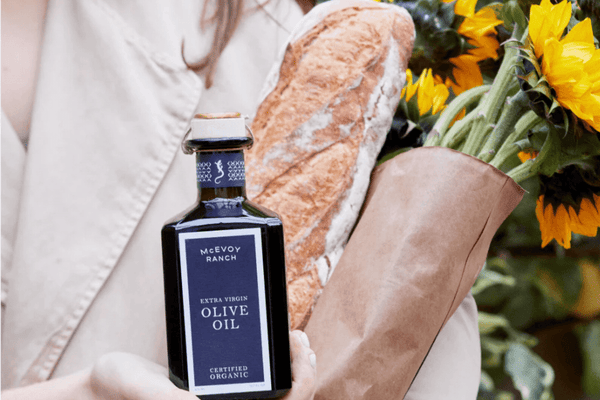
McEvoy Ranch Organic Extra Virgin Olive Oil checks the packaging cues that matter: certified organic, estate-grown California olive oil with a clear harvest date and named olive varieties.
Shop Organic Extra Virgin Olive OilDesign, Labels, and Marketing: What the Graphics Tell You
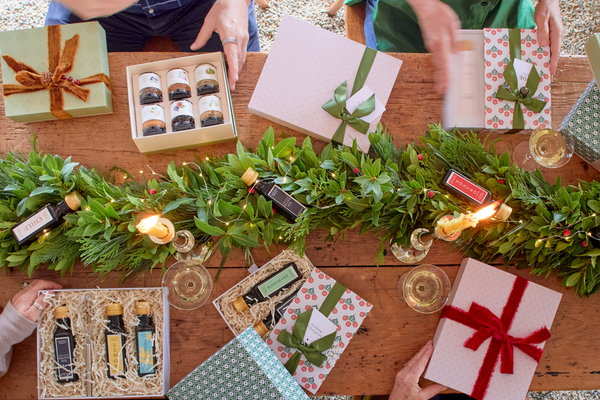
Design is not only marketing; it can signal authenticity and care. A well-made package uses its graphic and print to be clear rather than vague: a readable label, a stated origin and harvest date, and increasingly QR codes that link to lot details for transparency. A clean, stylish, even minimalist label that names the producer and region tends to reflect a producer confident in the olive oil. Custom printed tins can elevate a gift beautifully while still doing the protective job, and a versatile design works across a wide range of products, from a single bottle to a gift set that might also include vinegar. The goal is for design to enhance trust, not paper over missing information.
Packaging and Shipping: Protecting a Delicate Liquid
Packaging also has to survive shipping. Glass is fragile and adds weight, so producers protect bottles in a corrugated cardboard shipper; tin is lightweight and durable, which lowers breakage and shipping weight and is a quiet sustainability benefit. However the olive oil travels, the priority is the same: protect a delicate liquid from light, oxygen, and rough handling so it arrives fresh.
What Should You Look For on Olive Oil Packaging?
- Harvest date. The single most useful cue; olive oil is freshest within roughly a year of harvest.
- Extra virgin designation. The highest grade, ideally supported by certification or a competition result.
- Origin and producer. A specific, regional origin such as estate-grown California, with a named producer. In California, Olive Oil Commission of California (OOCC) standards bring clarity to grade and labeling.
- Container opacity. An opaque tin or dark glass protects the olive oil; clear glass does not.
- Size and usage fit. Buy a size you will finish fresh; decant from bulk into a smaller container.
- Olive variety. Listing the varieties (for example Frantoio, Leccino, Coratina) reflects transparency.
What Are the Red Flags?
- No harvest date, only a distant "best by."
- Premium olive oil in clear glass under bright store light.
- Vague origin with no named producer.
- Big flavor or quality claims with no grade, date, or origin to support them.

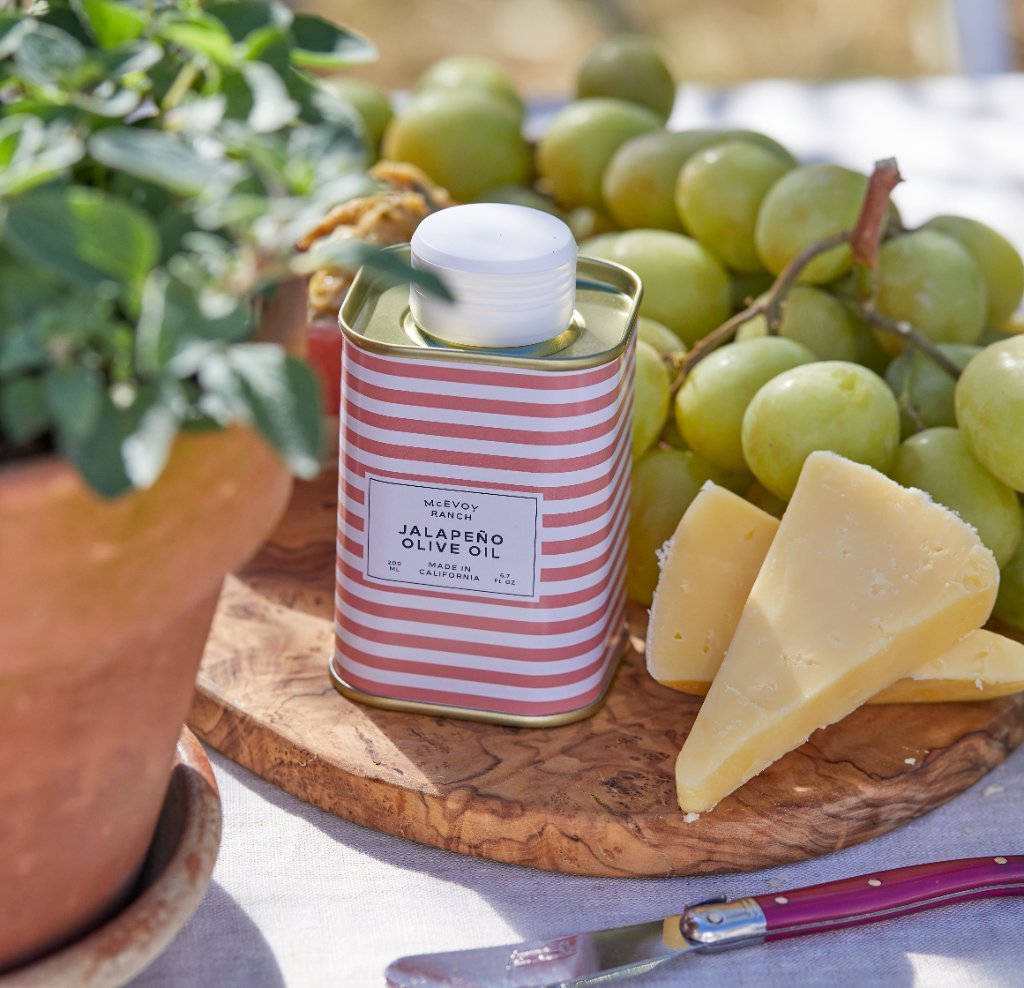
The Stripes Organic Extra Virgin Olive Oil pairs honest labeling with a protective, opaque, lightweight 200ml tin, so what the package tells you on the shelf matches what you taste at the table.
Shop the Stripes Olive Oil tinFrequently Asked Questions
What is the best type of olive oil packaging?
An opaque package that protects from light and oxygen: tin (tinplate) offers the most protection and is lightweight and durable; dark glass is good and inert; clear glass protects the least.
Is olive oil in a tin better than in a bottle?
A tin is fully opaque and harder to break, so it protects the olive oil better than clear glass and ships well. A dark glass bottle is also a solid, protective choice.
Why does the harvest date matter more than the expiration date?
Olive oil is best within about a year of harvest. A harvest date tells you how fresh the olive oil truly is; a distant "best by" can mask an older olive oil.
Does packaging affect the taste of olive oil?
Indirectly. Protective packaging preserves the fresh, peppery flavor and the olive oil's antioxidant character; clear glass and poor storage let it fade. The container does not add flavor; it determines how much survives.
Is tin packaging recyclable or more sustainable?
Tin is lightweight and durable, which can lower shipping weight and breakage. Confirm the specific recycling guidance and any liner details on the producer's packaging before assuming a sustainability claim.
Key Takeaways
- Olive oil packaging both protects a delicate, perishable olive oil and signals quality.
- Opaque wins: tin/tinplate and dark glass beat clear glass.
- Read the label for harvest date, extra virgin grade, named origin and producer, and variety.
- Design, graphics, and QR codes should add transparency, not hide missing information.
- Choose protective packaging, then store the olive oil cool and dark and use it fresh.
The Package Tells the Truth First
Olive oil packaging is a quality signal hiding in plain sight. Read the harvest date, grade, origin, and container; choose a package that protects a delicate olive oil from light and oxygen; and store it well. Do that, and the bottle or tin will have told you the truth before you ever taste.