This guide explains how to choose the right olive oil for salad dressing, what makes a finishing olive oil worth keeping on hand, and when a specialty bottle, such as a lemon olive oil or an herb-infused olive oil, makes sense. We'll also cover how to choose the right vinegar, create the ideal texture, determine the best olive oil-to-vinegar ratio, and build a homemade salad dressing that tastes fresh, bright, and balanced rather than flat or heavy.
In this guide:
Why does olive oil matter so much in salad dressing?
In a cooked dish, olive oil can sometimes disappear into the background. In salad dressing, it does the opposite. The olive oil is one of the main flavors on the plate, which means its freshness, texture, and character matter immediately. A dull bottle can make even a careful salad recipe feel flat, while a good-quality olive oil can make very simple ingredients feel composed and vivid.
This is especially true with a vinaigrette. Because the dressing usually contains only a few ingredients, often olive oil, vinegar or lemon juice, mustard, salt, and perhaps garlic, there is nowhere for a tired bottle to hide. The better your dressing olive oil, the better your dressing. It is that simple.
That is also why extra virgin olive oil is such a common starting point for homemade salad dressing. It offers more flavor, more aroma, and more personality than more neutral options like vegetable oil. When chosen well, it brings the whole salad into focus.
What makes a good olive oil for salad dressing?
The best olive oil for salads should feel balanced rather than aggressive. You want freshness, a clean finish, and enough flavor to give the dressing shape without overwhelming delicate greens. A bottle with grassy, peppery, or slightly fruity character can be wonderful in dressing, especially when it still feels harmonious once combined with vinegar or fresh lemon juice.
Freshness matters enormously here. Olive oil is a fresh ingredient, and when it has been sitting too long, the dressing loses energy. A good bottle should still taste vivid. That means looking for a recent harvest when possible, storing the bottle carefully, and using it while it still feels alive. Fresh olive oil will work far better in a vinaigrette than something stale and forgotten in the pantry.
For most dressing applications, a balanced extra virgin olive oil is the safest choice. It is the least processed form, it brings real flavor, and it can adapt to many different salads. Whether you are dressing arugula, a chicken salad, or an Italian salad with bitter greens, a fresh EVOO is usually the strongest place to start.

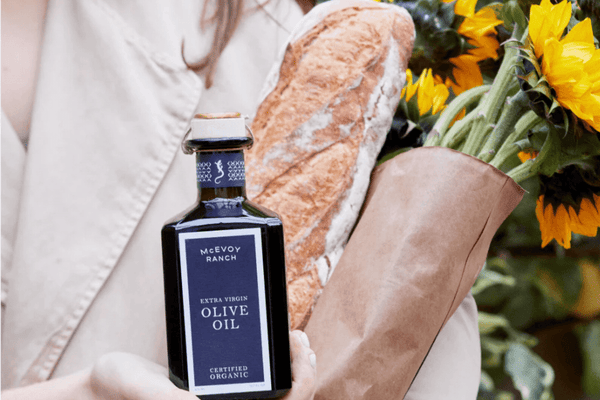
Organic Extra Virgin Olive Oil, a versatile, good-quality bottle for olive oil salad dressing, vinaigrette, and gentle finishing when you want one olive oil to do a lot of work well.
Shop Organic Extra Virgin Olive OilWhat is the difference between finishing and dressing olive oil?
The difference is mostly about concentration. A dressing olive oil has to play well with acid, whether that comes from vinegar, balsamic vinegar, lemon juice, or another source. A finishing olive oil, by contrast, is often tasted more directly. When you drizzle olive oil over vegetables, beans, fish, or a finished salad, the bottle is more exposed.
That means the best finishing olive oil usually has a little more presence. It may taste slightly peppery, more herbaceous, or more aromatic than the olive oil you would use in a basic recipe. This does not mean you need separate bottles for everything, but it can be useful to think in those terms. One bottle may be ideal for whisking into a salad dressing recipe, while another is better for a final spoonful over the top.
In practice, a fresh, balanced EVOO can often handle both jobs. But if you love to drizzle, it can be worth keeping a more expressive second bottle on hand for raw finishing and letting the more versatile olive oil handle the vinaigrette itself.
What type of vinegar works best in a vinaigrette?
The type of vinegar shapes the mood of the dressing almost as much as the olive oil. Red wine vinegar brings classic sharpness and works well in a more assertive dressing. White wine vinegar can feel cleaner and lighter. Apple cider vinegar has a softer fruit note, while champagne vinegar tends to feel especially delicate and refined.
Balsamic can work too, but it changes the character of the dressing more noticeably. If you want a brighter, cleaner vinaigrette, sherry vinegar, white wine vinegar, or champagne vinegar may be a better fit. The right choice depends on the salad, the greens, and whether you want a tangy, sharp finish or a softer one.
It helps to remember that dressing is about balance, not just acidity. The olive oil and vinegar should work together. A very robust olive oil may benefit from a gentler acid, while a delicate olive oil can support a slightly sharper vinegar. Matching the two is often what separates a homemade dressing recipe from something that merely tastes functional.

Champagne Vinegar, a graceful match for salad dressing when you want brightness and acidity without overwhelming tender salad greens.
Shop Champagne VinegarWhat is a reliable basic dressing recipe?
A reliable dressing recipe does not need to be complicated. For a simple vinaigrette recipe, start with extra-virgin olive oil, vinegar, a little dijon mustard, salt and pepper, and perhaps a small amount of minced garlic. A common ratio of olive oil to vinegar is around three to one, but that is only a starting point. Some salads benefit from more acidity, others from more softness and richness.
One easy salad dressing formula is 3 tablespoons olive oil, 1 tablespoon vinegar, 1 teaspoon dijon mustard, and a little fresh lemon juice if you want more lift. Add a pinch of salt and pepper, then whisk until the mixture begins to emulsify. You can mince a fresh garlic clove or use a little minced garlic if the salad can handle it. For a tangy version, red wine vinegar works especially well. For something brighter, try champagne vinegar or white wine vinegar instead.
If you want a homemade salad dressing that feels slightly more layered, a spoonful of lemon juice plus vinegar can work beautifully. That can be especially good with arugula, soft greens, or a salad you might top with shaved parmesan. It is still a basic recipe, but one with enough lift to feel intentional.
When does lemon olive oil dressing make sense?
A lemon dressing is especially useful when you want a salad to feel brighter, cleaner, and a little more immediate. Fresh lemon juice can provide the acidity, and a lemon olive oil dressing can deepen the citrus note even further. This works particularly well with delicate greens, seafood, spring vegetables, or simple salads where the dressing needs to stay light on its feet.
It is also one of the strongest places for a specialty finishing olive oil. A lemon and olive oil dressing can feel vivid and polished when the olive oil itself contributes aromatic lift rather than just fat. That is why agrumato-style citrus olive oils can make such a good second bottle. They are not a replacement for standard EVOO, but they are wonderful when the flavor profile fits the dish.
Used carefully, lemon olive oil dressing can sharpen a salad without making it feel harsh. It is especially good when the greens are tender, the ingredients are simple, and you want the dressing to feel fresh rather than heavy.

Organic Lemon Olive Oil, a specialty finishing olive oil for lemon dressing, seafood, vegetables, and salads that benefit from bright citrus character.
Shop Organic Lemon Olive OilHow do you emulsify a dressing properly?
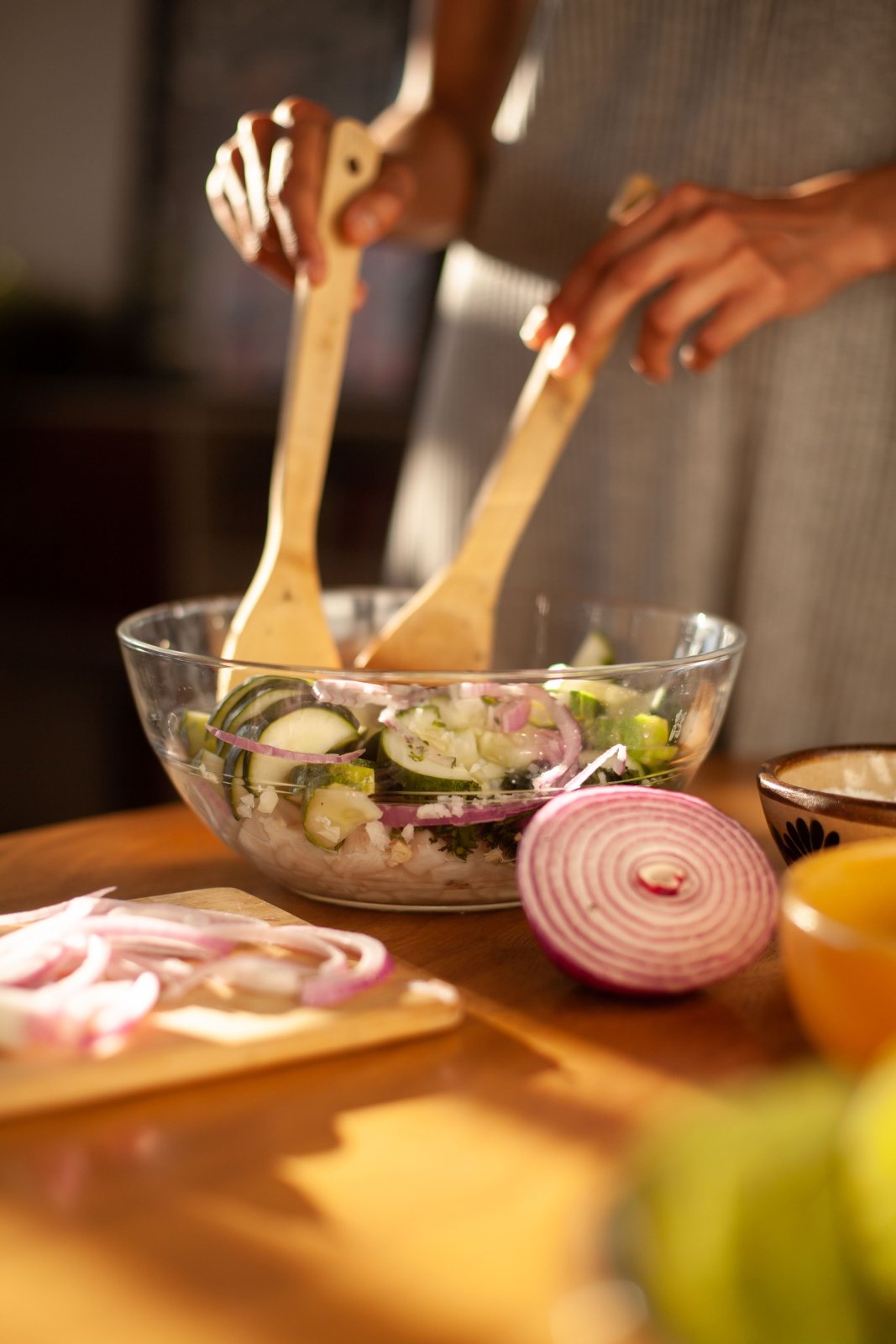
Good dressing should feel integrated, not split and oily. To emulsify a vinaigrette, start with the acid and mustard first, then slowly whisk in the olive oil. Dijon mustard helps the mixture hold together, which is one reason it shows up so often in a classic salad dressing recipe. If you prefer, you can also use a mason jar or sealed jar and shake vigorously until the dressing comes together.
A bowl or jar both work, and for larger batches a blender or food processor can be useful. The method matters less than the result. You want the dressing to feel smooth enough to coat greens evenly, not pool at the bottom of the bowl as separate vinegar and olive oil. If the texture feels too sharp, add a bit more olive oil. If it feels flat, add more acid.
In day-to-day use, the easiest method is often to stir or shake. A homemade dressing recipe does not need much equipment, only enough attention to texture that the final vinaigrette feels balanced and complete.
Can you make ahead and store homemade dressing?
Yes, often very easily. One of the nice things about a homemade dressing is that it can be make ahead and kept in the refrigerator for several days, especially if it contains only olive oil, vinegar, mustard, and seasoning. If the mixture firms up from the cold, let it sit briefly at room temperature, then shake before using.
A sealed jar works especially well for this. It keeps the dressing tidy, makes it easy to shake before using, and turns the whole process into something very manageable. This is part of why so many people come to love this recipe style once they start making it at home. It is faster, fresher, and often better than store-bought.
If your dressing includes fresh garlic, minced garlic clove, fresh lemon juice, or more delicate ingredients, it is best to use it sooner rather than later. Homemade salad dressing should taste fresh, not tired. That is part of what makes it feel worth making at all.
What should you drizzle olive oil on beyond salad?
Drizzling is not only for greens. A good finishing olive oil can transform beans, grilled vegetables, roasted carrots, fish, soup, or even warm bread. The same bottle that makes a better salad dressing can often make a dish feel more complete at the end. A final spoonful adds aroma, richness, and a little flavor without requiring much effort.
This is also where herb-inflected olive oils can shine. A Herbes de Provence bottle, for example, can be wonderful over vegetables or chicken, while a lemon bottle can brighten seafood and spring produce. These olive oils are best used with restraint, as finishing accents rather than universal answers, but they can bring immediate character to a simple plate.
If you have ever wondered why some dishes feel polished even when they are built from ordinary ingredients, the answer is often a small finishing step. A thoughtful drizzle can do a surprising amount of work.

Organic Herbes de Provence Olive Oil, a savory finishing olive oil for vegetables, chicken, and dishes that want a little aromatic lift after cooking.
Shop Organic Herbes de Provence Olive OilHow do you choose the right bottle for both dressing and drizzling?
Start with the baseline question: do you want one bottle that does almost everything, or do you want a versatile bottle plus a specialty option? For most people, one fresh extra virgin olive oil is the right anchor. It should be balanced, flavorful, and easy to use in both olive oil salad dressing and everyday finishing.
Then decide whether you also want a second bottle for more specific jobs. If you love citrusy salads, choose a lemon olive oil. If you often finish vegetables or savory dishes, an herb-driven olive oil can be useful. The key is not to overcomplicate it. A strong standard EVOO plus one specialty bottle usually covers far more than people think.
The right bottle is the one that makes you want to make this dressing again. If the olive oil tastes fresh, works well with your favorite vinegar, and makes your salads and drizzled dishes feel better rather than heavier, you have probably found it.
Key takeaways
- Salad dressing olive oil matters because the olive oil is one of the main flavors in the dish, not just a background ingredient.
- A fresh extra virgin olive oil is usually the best place to start for homemade dressing and light finishing.
- The type of vinegar changes the whole mood of a vinaigrette, so match acid to the style of salad you are making.
- Dijon mustard helps emulsify dressing and gives a vinaigrette more body and stability.
- A lemon or herb-driven olive oil works best as a specialty finishing option, not as a replacement for standard EVOO in every application.
- A sealed jar, quick whisk, and fresh ingredients are often all you need for an easy salad dressing that outperforms store-bought.
Choose the right olive oil, balance it with the right acid, and even a very basic salad dressing can feel precise, fresh, and worth repeating.
Featured Products Mentioned in This Guide
These McEvoy bottles and vinegar are especially useful for salad dressing, vinaigrette, and drizzling.