Olive Oil Health Benefits: What is Polyphenol?
Olive oil has long been celebrated for its flavor and studied for its health-related compounds, and polyphenols are one key component behind that research. As consumers become more health-conscious, understanding the role of polyphenols in olive oil can help them make informed choices about the oils they use in their daily lives.
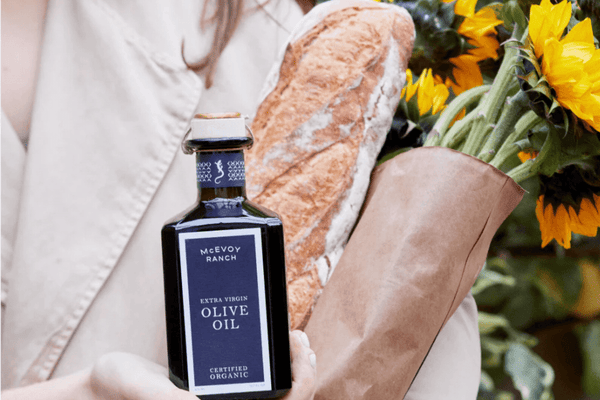
At McEvoy Ranch, a family-owned 550-acre working farm in Petaluma, California, we have dedicated ourselves to producing some of the world's finest estate-produced extra virgin olive oil for over three decades.
What Are Polyphenols in Olive Oil?
Polyphenols are naturally occurring compounds found in plants, including olives. In olive oil, they can act as antioxidants, helping to protect the oil from oxidation and contributing to its stability and shelf life.These compounds, which act as antioxidants, also play a crucial role in the oil's flavor profile, often contributing to the pungent and bitter notes characteristic of high-quality extra virgin olive oils.
The polyphenols in olive oil protect the oil itself from degradation and also offer similar protective benefits when consumed as part of a healthy diet.The European Union (EU) allows a health claim to be used on olive oil that contains at least 5 mg of hydroxytyrosol and its derivatives per 20 g of olive oil:olive oil polyphenols contribute to the protection of blood lipids from oxidative stress.
Types and Composition of Olive Oil Polyphenols
Olive oil contains a diverse array of polyphenols, each with its own unique properties and potential health benefits.The concentration of polyphenols in olive oil can vary depending on factors such as olive variety, growing conditions, harvest maturity and production methods, though the specific types of phenolic compounds generally remain consistent within a given variety.
Key Polyphenols Found in High-Quality Olive Oil
Some of the most important polyphenols found in olive oil include:
-
Oleuropein: Responsible for the bitter taste of olives, oleuropein is known for its strong antioxidant properties. It's particularly abundant in unripe olives and decreases as the fruit matures.
-
Hydroxytyrosol: Considered one of the most powerful antioxidants in olive oil, hydroxytyrosol is widely studied for its role in heart health.
-
Tyrosol: While not as potent as hydroxytyrosol, tyrosol is still a significant antioxidant that contributes to the overall health benefits of olive oil.
-
Oleocanthal: Known for its anti-inflammatory properties, oleocanthal is the subject of ongoing laboratory research into its anti-inflammatory properties. Olive oil is a food, not a substitute for any medication.
-
Lignans: These compounds have estrogen-like effects and are studied for their role in hormone-related pathways.
-
Flavonoids: While not as prominent as other polyphenols in olive oil, flavonoids contribute to its color and offer various health-promoting properties.
What is "High Polyphenol" Olive Oil? Understanding the Label
When shopping for olive oil, you may see labels indicating "high polyphenol" content. It's important to note that there's no standardized definition for this term in the U.S. The polyphenol content of olive oil changes over time so label amounts are not necessarily accurate. In general, higher polyphenol content will result in olive oils with more bitter and peppery flavor. So if you are seeking higher polyphenols, look for early harvest or one of the high-polyphenol cultivars (Coratina, Picual, Koroneiki, etc).
Which Oils Have the Most Polyphenols?
Extra virgin olive oil (EVOO) generally contains the highest levels of polyphenols compared to other types of olive oil. EVOO is made from 100% mechanically processed olives and must meet strict standards, including free fatty acid level of 0.5% or less in California or 0.8% according to international trade standards. In California, eight other quality parameters are outlined in the California Standards for Extra Virgin Olive Oil. For a complete list of these parameters, refer to Table 1 on page 8 of the California Standards document. The extraction process for EVOO yields the highest concentration of polyphenols, which is why EVOO is considered the premium choice for health-conscious consumers.
Other types of olive oil, such as refined or "light" olive oils, undergo processes that can significantly reduce their polyphenol content. These oils may still have some health benefits due to their monounsaturated fat content, but they lack the full complement of polyphenols found in EVOO.
How to Tell if an Olive Oil is High in Polyphenols
To determine if an olive oil is high in polyphenols, look for:
-
Certification or lab results indicating polyphenol content: Some producers provide this information on their labels or websites. Lab results will differ significantly due to the testing method so results are often not comparable.
-
A pungent, bitter taste: High polyphenol oils often have a distinctive peppery kick at the back of the throat and distinct bitterness in the mouth.
-
Early harvest dates on the label: Olives harvested earlier in the season tend to produce oils with higher polyphenol content.
Factors That Influence Polyphenol Levels: Harvest Date, Production Methods, and Olive Variety
Several factors can affect the polyphenol content of olive oil:
-
Harvest date: Earlier harvests typically yield higher polyphenol levels. As olives mature, their polyphenol content decreases while their oil content increases.
-
Production methods: Minimal processing and low temperatures during extraction help preserve polyphenols. High temperatures and oxidation can degrade these beneficial compounds.
-
Olive variety: Some varieties naturally produce more polyphenols than others.For example, Moraiolo and Coratina, which are grown at McEvoy Ranch, and Mission and Ascolana olives, commonly grown in California, can produce oils with high polyphenol content.Other high polyphenol varieties include Picual and Koroneiki.
-
Growing conditions: Factors such as climate, soil quality, and irrigation practices can influence olives’ polyphenol content. California's Mediterranean-like climate is ideal for producing high-quality, polyphenol-rich olive oil.
-
Storage conditions: Proper storage is crucial for maintaining polyphenol levels over time.Protect your olive oil from heat, light, and air to preserve its beneficial compounds.
Health Benefits of Polyphenols in Olive Oil
Polyphenols in olive oil offer numerous health benefits, including:
-
Powerful antioxidant properties: Polyphenols help neutralize free radicals in the body, and researchers continue to study how this relates to oxidative stress.
-
Anti-inflammatory effects: Compounds like oleocanthal have been studied for their anti-inflammatory properties in laboratory research. Olive oil is not a substitute for any pain medication.
-
Potential cardiovascular protection: Olive oil polyphenols are studied for their role in blood pressure, cholesterol levels, and atherosclerosis.
-
Ongoing laboratory research: Olive oil polyphenols are the subject of a broad body of cell and animal research that has not established effects in people.
-
Neuroprotective effects: Emerging research is looking at how olive oil polyphenols behave in studies of brain health. Olive oil is a food, not a treatment for any medical condition.
-
Gut health: Polyphenols may act as prebiotics, and their interaction with gut bacteria is an area of active study.
How Much Polyphenol-Rich Olive Oil Do You Need to Consume for the Benefits?
While there's no universally agreed-upon dosage, many experts recommend consuming 2-3 tablespoons of high-quality extra virgin olive oil daily when looking at the health benefits of polyphenols.This amount is consistent with the Mediterranean diet and with the intake used in much of the research. It's important to note that olive oil should be part of a balanced diet and not seen as a magic bullet for health. Incorporating polyphenol-rich EVOO into your diet can be as simple as using it as a salad dressing, drizzling it over cooked vegetables, or using it in low-heat cooking.
How to Choose and Store Olive Oil to Retain Polyphenols
To maximize the polyphenol content in your olive oil:
-
Choose extra virgin olive oil from reputable producers who prioritize quality and freshness.
-
Look for dark glass bottles or tins that protect the oil from light, which can degrade olive oil quality.
-
Check for harvest dates and opt for more recent harvests, ideally within the last year.
-
Consider oils made from early-harvested olives, which tend to have higher polyphenol content.
-
Pay attention to taste: A pungent, bitter flavor often indicates higher polyphenol levels.
Best Practices for Storage to Preserve Polyphenol Content
To maintain the polyphenol content of your olive oil:
-
Store in a cool, dark place away from heat sources and direct sunlight.
-
Keep the bottle tightly sealed when not in use to prevent oxidation.
-
Use within 3 months of opening for optimal freshness and polyphenol content.
-
If you buy in large volume, consider transferring oil to smaller containers with very little headspace to minimize air exposure.
-
Avoid storing olive oil near the stove or other heat sources, as heat can degrade oil quality.
Does Cooking Affect the Beneficial Effects of Polyphenols?
While some polyphenols may degrade with heat, many remain stable during cooking.Research suggests that moderate heat (up to 220°C/428°F) doesn't significantly reduce the overall antioxidant capacity of olive oil. There is also research showing that the polyphenols in olive oil can migrate into the food being cooked, increasing the nutritional value. When cooking with olive oil:
-
Use lower temperatures when possible to preserve more polyphenols.
-
Consider finishing dishes with a drizzle of raw EVOO to add a fresh boost of flavor and polyphenols.
-
Use olive oil for sautéing and low-heat cooking rather than high-heat frying for greater preservation of the polyphenols.
Conclusion
Incorporating high-quality extra virgin olive oil into your diet is a simple change, thanks to the polyphenols, healthy fats and other minor compounds it contains. These compounds contribute to olive oil's distinctive flavors and aromas and are widely studied for their anti-inflammatory properties and their role in heart health.
As you explore the world of olive oil, prioritize quality. Look for fresh oils from reputable sources. Olive oil is a versatile addition to any meal, whether using it in cooking, drizzling it over salads, or enjoying it as a dip.
Now, let’s address some common questions about polyphenols in olive oil to further enhance your understanding.
FAQ: Common Questions About Polyphenols in Olive Oil
-
Q: Are all olive oils high in polyphenols?
-
A: No, extra virgin olive oils typically have the highest polyphenol content, while refined oils have much lower levels. The processing methods used for refined oils reduces their polyphenol content but the virgin oil added to refined olive oil to create a marketable product adds back some polyphenols.
-
Q: Can I taste polyphenols in olive oil?
-
A: Yes, polyphenols contribute to high-quality olive oils' pungent and bitter flavors. A slight burning sensation at the back of your throat when tasting olive oil is often an indicator of high polyphenol content, as is bitterness and astringency.
-
Q: Are there any side effects of consuming high-polyphenol olive oil?
-
A: High-polyphenol olive oil is generally safe for most people when consumed in normal amounts as part of a balanced diet. However, as with any dietary change, it's always best to consult with a healthcare professional if you have specific health concerns.
-
Q: Is polyphenol content an indicator of quality olive oil?
-
A: Not necessarily. An olive oil can have a high polyphenol content but still be of lower quality because of sensory defects or not meeting the laboratory parameters for extra virgin classification.