In This Article
- What is the difference between extra virgin and regular olive oil?
- Extra virgin vs. regular olive oil at a glance
- How each one is made
- What the "regular," "light," and "classic" labels actually mean
- Flavor and freshness: where the difference shows up
- Which one should you cook with?
- What about nutrition and the Mediterranean diet?
- How to choose a bottle you can trust
- Key takeaways
- Frequently asked questions
Walk down any grocery aisle and you will find bottles that all say "olive oil" but tell you very little about what is inside. If you have ever stood there wondering what's the difference between the different types of olive oil on the shelf, the most useful distinction is grade. Extra virgin olive oil is the fresh, unrefined juice of the olive, made only by mechanical means and held to strict flavor and quality standards. Regular olive oil, often labeled simply "olive oil," "classic," or "light," is usually a refined olive oil with a small amount of virgin olive oil blended back in to restore some taste and color.
Quick answer: Extra virgin olive oil is unrefined and keeps the fruit's natural flavor, aroma, and naturally occurring antioxidant compounds. Regular olive oil is refined with heat and processing, then lightly blended, which leaves it milder, more neutral, and less distinctive. For flavor and everyday versatility, extra virgin olive oil is the better choice; regular olive oil is a quieter, more neutral option.
What is the difference between extra virgin and regular olive oil?
The difference comes down to how the olive oil is made and how much of the olive it keeps. Extra virgin olive oil is milled from fresh olives and separated without heat or solvents, so nothing is stripped out. To earn the grade, it also has to pass both laboratory and trained sensory testing: it must taste clean and fruity, with no defects.
Regular olive oil starts as a lower grade of olive oil that would taste flat or defective on its own. It is refined, meaning heat and industrial processing are used to remove off flavors and aromas, which also removes much of the color and the naturally occurring polyphenols. A little virgin olive oil is then blended back in so the finished bottle has some olive character. It is still real olive oil, but it is a different product with a different purpose.
So when people compare extra virgin olive oil vs regular olive oil, they are really comparing an unrefined, flavor-forward olive oil against a refined, neutral one.
Extra virgin vs. regular olive oil at a glance
| Extra virgin olive oil | Regular olive oil | |
|---|---|---|
| How it is made | Milled from olives, mechanically extracted, never refined | Refined with heat and processing, then blended with a little virgin olive oil |
| Flavor | Grassy, fruity, peppery, distinctive | Mild, neutral, faint olive character |
| Aroma | Fresh and aromatic | Very light |
| Naturally occurring antioxidants | Retained | Largely reduced by refining |
| Testing to earn the grade | Chemical and trained sensory panel | Not held to the extra virgin sensory standard |
| Best for | Finishing, dressing, dipping, everyday cooking | A neutral background fat when you want no olive flavor |
| Typical shelf labels | "Extra virgin olive oil," "EVOO" | "Olive oil," "classic," "light" |
Note that "light" on a regular olive oil label means lighter in color and flavor, not fewer calories. Both olive oils have a similar fat content by the spoonful, and both are suitable for cooking; the real difference is how much character each brings.
How each one is made
Extra virgin olive oil is made by crushing whole olives into a paste and then separating the olive oil using centrifuges and temperature-controlled extraction. Nothing is added and no solvents are used. Because the fruit is handled gently and quickly, the finished olive oil keeps the aroma, flavor, and naturally occurring compounds of the fresh olive. This is also why harvest freshness matters so much: extra virgin olive oil is closer to a fresh fruit juice than to a shelf-stable pantry staple.
Regular olive oil takes a different path. Olive oil that does not meet the virgin grade, often because it tastes stale or defective, undergoes a refining process in which heat and industrial processing strip out the off notes along with most of the aroma, color, and polyphenol content. The result is a clean but flavorless base olive oil. Producers then blend in a portion of virgin olive oil to give it back a hint of taste. That blending step is why the same bottle can legally be called olive oil while tasting almost nothing like a good extra virgin.
What the "regular," "light," and "classic" labels actually mean
Marketing terms cause a lot of the confusion here. Words like "classic," "light," "mild," or just "olive oil" almost always signal a refined blend rather than an extra virgin grade. They are not lies, but they are chosen to sound appealing while describing a more processed product.
The words that carry real meaning are the grade terms, because olive oils are graded against measurable standards: laboratory chemistry, including free fatty acidity, plus a trained sensory panel checking for fruity character and the absence of defects. "Extra virgin" is a defined grade with standards behind it, not a marketing flourish. "Virgin" olive oil is also unrefined but is allowed slightly more sensory imperfection. Anything described only as "olive oil," without "virgin" in front of it, is almost certainly a refined blend. If you want to understand how grading works in more depth, our FAQs about extra virgin olive oil walk through the tests an olive oil has to pass.
In California, grade standards from the Olive Oil Commission of California (OOCC) and the USDA help bring clarity to what these labels can claim, which is one reason a transparent harvest date and origin tell you more than a front-label adjective.
Label lingo we skip, and why: Two phrases you will see on many bottles and never on ours: "pure olive oil" and "cold-pressed." On a label, "pure olive oil" sounds like the highest standard, but it legally describes a refined blend, the same product often sold as "classic." "Cold-pressed" describes the hydraulic presses of a century ago; modern extra virgin olive oil, ours included, is milled and separated by centrifuge at controlled temperatures, so the phrase is nostalgia rather than information. We put the grade and a harvest date on the label instead, because those are the two things that actually predict what is in the bottle.
Flavor and freshness: where the difference shows up
Taste a fresh extra virgin olive oil on its own and you will notice it right away: grassy or green notes, a fruity center, and often a peppery finish at the back of the throat. That pepperiness is a sign of freshness and naturally occurring compounds, not a flaw. A regular, refined olive oil tastes muted by comparison. It coats and carries, but it does not add much of its own.
That difference matters most where the olive oil is meant to be tasted. On a salad, over warm bread, spooned across soup or roasted vegetables, or finishing a piece of fish, extra virgin olive oil is doing real work. A refined olive oil in those moments mostly disappears, which is fine if invisibility is the goal and a loss if it is not.
The useful distinction: Extra virgin olive oil behaves like an ingredient with flavor of its own. Regular olive oil behaves like a neutral cooking fat.
Which one should you cook with?
Here is where a lot of older advice gets it wrong. You do not need to save extra virgin olive oil only for drizzling. A fresh, well-made extra virgin olive oil is versatile enough for most everyday cooking, including sautéing, roasting, and pan-cooking at normal home temperatures. Smoke point matters, but it is not the whole story, and typical home cooking rarely pushes a good olive oil past a sensible range.
Regular olive oil earns its place when you specifically want no olive flavor, or for higher-heat tasks where you want the olive oil to act as a neutral medium and do not want to spend an extra virgin olive oil on it. In that neutral role it competes with canola oil, vegetable oil, or coconut oil more than with an extra virgin olive oil, and for most cooking and baking any of them will behave similarly. Many cooks keep both: an everyday, flavorful extra virgin olive oil, and a neutral option for the occasional deep-fry or delicate bake that calls for one.
If you only want one bottle in the kitchen, choose a fresh extra virgin olive oil. It can dress, finish, and cook, which is more than a refined olive oil can offer in return.
What about nutrition and the Mediterranean diet?
Both extra virgin and refined olive oil are made up largely of monounsaturated fat, a nutrient profile that is one reason olive oil is a familiar part of Mediterranean-style eating. Research has explored monounsaturated fats and cardiovascular health in the context of that broader diet, and what it shows is association rather than cause. The main compositional difference is that extra virgin olive oil retains more of the naturally occurring polyphenols, vitamin E, and other antioxidant compounds that refining removes. Research has explored these compounds and their association with the broader Mediterranean diet, though a single ingredient is only ever one part of an overall pattern of eating.
The honest framing is the least dramatic one. Extra virgin olive oil naturally contains antioxidant compounds that a refined olive oil largely loses, and it is often chosen as part of a balanced, Mediterranean-style way of eating. Olive oil is a food, not a treatment for any medical condition, and the strongest reasons to choose extra virgin remain flavor, freshness, and how well it is made.
How to choose a bottle you can trust
Once you know how the grades differ, choosing a quality olive oil gets easier. Look for the words "extra virgin," a recent harvest date rather than only a best-by date, and clear information about where the olives were grown and milled, not just where the olive oil was bottled. Packaging that shields the olive oil from light, such as dark glass or a tin, is another good sign, because heat, light, air, and time are what turn a lively olive oil flat.
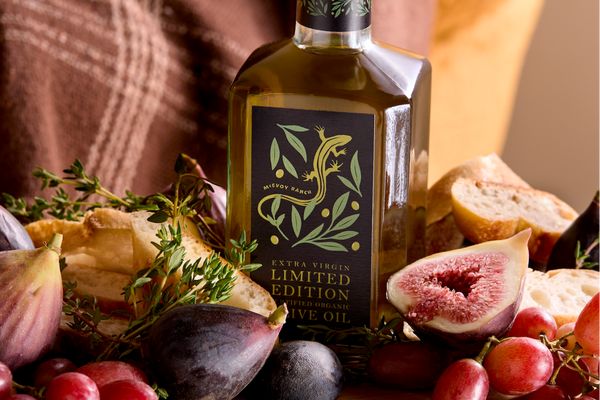
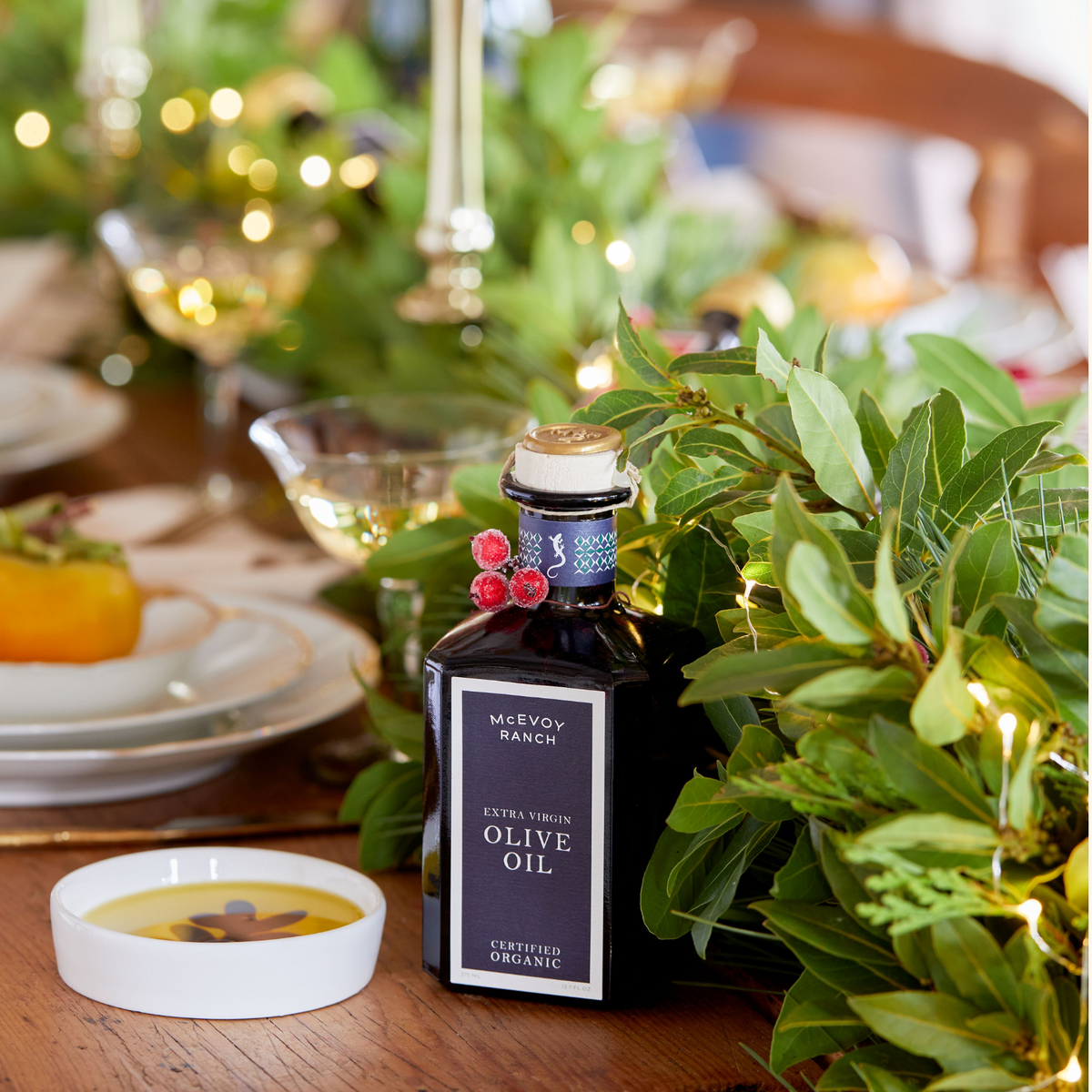
Our own McEvoy Ranch Organic Extra Virgin Olive Oil is a useful benchmark for what an unrefined, estate-grown olive oil can be: grown and milled on our certified organic ranch in Petaluma, California, with the harvest and traceability details on the label. It is the kind of bottle that shows why the extra virgin grade is worth seeking out in the first place.
Key takeaways
- Extra virgin olive oil is unrefined and made only by mechanical means, so it keeps the olive's flavor, aroma, and naturally occurring antioxidant compounds.
- Regular olive oil, often labeled "olive oil," "classic," or "light," is a refined olive oil with a little virgin olive oil blended back in, which makes it milder and more neutral.
- "Light" refers to lighter flavor and color, not fewer calories.
- Extra virgin olive oil is versatile enough for most everyday cooking, not just finishing; regular olive oil suits jobs where you want no olive flavor.
- Grade terms like "extra virgin" carry real meaning, while "classic," "mild," and "light" are usually signals of a refined blend.
- If you buy one bottle, a fresh extra virgin olive oil does the most, from dressing and dipping to daily cooking.
Frequently asked questions
Is extra virgin olive oil better than regular olive oil?
For flavor, aroma, and versatility, yes. Extra virgin olive oil is unrefined and keeps the natural character and naturally occurring antioxidant compounds of the olive, while regular olive oil is refined and largely neutral. Regular olive oil is not bad, but it is a quieter product suited to fewer uses. If you want one bottle that can dress, finish, and cook, extra virgin olive oil is the better all-around choice.
Can I cook with extra virgin olive oil, or should I save it for finishing?
You can absolutely cook with it. A fresh, well-made extra virgin olive oil handles most everyday cooking, including sautéing, roasting, and pan-cooking at normal home temperatures. Smoke point matters but is not the whole story, and typical home cooking rarely pushes a good olive oil past a sensible range. Save a neutral, refined olive oil only for tasks where you specifically want no olive flavor.
What is the smoke point of extra virgin olive oil?
A fresh, well-made extra virgin olive oil typically has a smoke point around 350 to 410 degrees Fahrenheit, while refined olive oil sits higher, around 465 degrees Fahrenheit. Most home sautéing, roasting, and even shallow frying happens below those ranges, which is why smoke point alone is a weak reason to avoid cooking with extra virgin olive oil. Quality and freshness matter here too: an olive oil with low free fatty acidity holds up better to heat than a stale one.
Is "light" olive oil lower in calories?
No. "Light" on an olive oil label refers to lighter flavor and color, because the olive oil is refined and neutral, not to lower calories or fat. By the spoonful, light olive oil has essentially the same fat and calories as extra virgin olive oil.
What does "regular" or "classic" olive oil actually mean on a label?
It almost always means a refined blend. Olive oil that does not meet the virgin grade is refined with heat and processing to remove off flavors, then blended with a little virgin olive oil for taste. Terms like "classic," "mild," "light," or simply "olive oil" typically describe this refined product rather than an extra virgin grade.
Does extra virgin olive oil go bad faster than regular olive oil?
Both are best used fresh, but neither improves with age the way wine does. Extra virgin olive oil is prized for the aromatic compounds it keeps, and those fade over time, so a recent harvest date and good storage away from heat and light matter. An olive oil past its prime smells stale, flat, or waxy, which means it has gone rancid. Store any olive oil in a cool, dark place and use it while it still tastes vivid.
Featured Products Mentioned in This Guide


California olive oil, from our ranch to your table
McEvoy Ranch is a certified organic estate in Petaluma, California, growing and milling its own extra virgin olive oil.
Shop California olive oil