At McEvoy Ranch in Petaluma, California, that idea is not abstract. It shows up in estate-grown organic extra virgin olive oil that is harvested, milled, and bottled with freshness in mind, then used the way good olive oil should be used: in the kitchen and at the table, while it still tastes vivid. This guide explains why olive oil harvest date matters, how it differs from a best by date or expiration date, what it tells you about olive oil quality, and how to use that information to buy with more confidence.
In this guide:

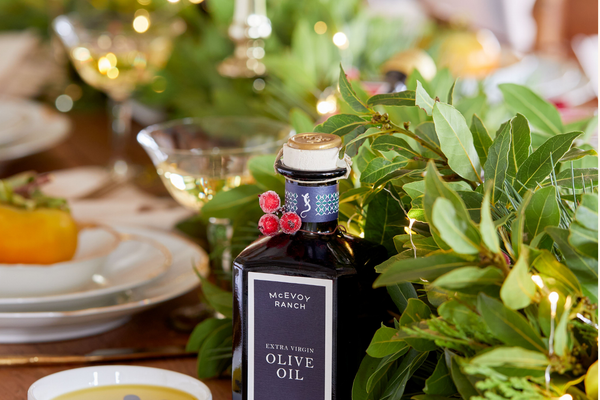
Organic Extra Virgin Olive Oil: McEvoy’s flagship estate-grown bottle, and a strong reference point for how harvest timing, freshness, and balance show up in a versatile California EVOO.
Shop Organic Extra Virgin Olive OilWhy does olive oil harvest date matter so much?
Because olive oil is a fresh ingredient. It is not a pantry item that reliably improves with time, and it is not something to keep like a collectible. Olive oil is at its best when the fruit was handled well, the olive oil was made carefully, and the bottle is still close enough to harvest to show real aroma, structure, and life.
That is why olive oil harvest date matters. It gives you a much better sense of freshness than vague marketing language ever will. If a producer is willing to list a harvest date, that usually signals transparency, confidence, and a belief that the olive oil inside the bottle deserves to be judged on when it was actually made.
In practical olive oil buying, this matters more than many shoppers realize. A recent harvest often means a fresher, more vivid bottle, one with brighter aroma, clearer fruitiness, and a more defined peppery finish. Those are the qualities that make a good bottle feel alive rather than tired.
What is the difference between a harvest date and a best by date?
The difference between a harvest date and a best by date is simple but important. Harvest date tells you when the olives were picked and the olive oil was made. A best by date tells you the producer’s estimate of how long the olive oil may remain in good condition under normal storage conditions.
If you care about freshness, harvest date is usually the more revealing number. A best by date can be useful, but it is still a forward-looking estimate. Harvest date gives you the actual starting point. It tells you where the bottle began, not just how long someone thinks it may last.
That is why a clear harvest date is often the more valuable signal on an olive oil label. It helps you judge whether you are buying something from a recent harvest or something that has already spent a long stretch of its shelf life in storage, transit, or on a retail shelf.
What does a harvest date actually tell you about olive oil quality?
A harvest date does not guarantee good quality all by itself, but it tells you something essential about what may be inside the bottle. Olive oil quality depends on the fruit, the timing of harvest, how quickly the olives were milled, how the olive oil was stored, and how much time has passed since then.
When the date is recent and the bottle has been stored correctly, the olive oil is more likely to show the lively traits people want from extra virgin olive oil: freshness, aroma, fruitiness, bitterness, and that clean peppery lift that often signals a well-made EVOO. Those qualities tend to fade as time passes.
That is why serious producers pay attention to timing. Good olive oil production is not just about what happens in the grove. It is also about what happens immediately after harvest, because the condition of the fruit and the speed of processing have a direct effect on flavor and overall olive oil quality.

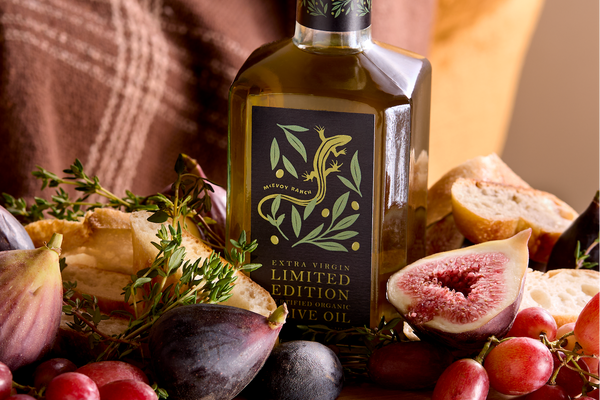
Organic Limited Edition Extra Virgin Olive Oil: a single-varietal Moraiolo olive oil from the 2025 harvest, light and refined, with gentle fruit and a clean, subtle bitterness. A good bottle for tasting what a recent harvest date gives you.
Shop Limited Edition EVOOWhy do month and year matter more than vague freshness claims?
If a bottle says only that it is fresh, premium, or high quality, you still do not know very much. Month and year give you something concrete. If a producer is willing to list a harvest date, or even just the month and year of harvest, you can place the bottle in time and make a smarter decision.
That matters because olive oil is at its best within a limited window. While exact shelf life depends on storage conditions and packaging, a practical rule of thumb is that quality olive oil is usually best enjoyed while it is still reasonably close to harvest, rather than saved indefinitely. A recent harvest is often the strongest place to start.
This is also where a little realism helps. An olive oil harvested in 2024 may still be in good shape if it was stored correctly in dark glass or another protective format. An olive oil from 2022 may not be ruined, but it is far less likely to taste as vibrant as a new harvest bottle. That is the difference clear harvest information makes.
How does freshness change aroma, bitterness, and flavor profile?
Freshness changes almost everything you notice first. It affects aroma, fruitiness, balance, bitterness, and the peppery finish that many people associate with extra virgin olive oil. A fresher bottle usually smells greener and tastes more vivid. An older one may feel flatter, duller, or oddly sleepy.
That is one reason early harvest olive oils often feel more dramatic. They can be more robust in flavor, with stronger bitterness, more pungency, and a livelier aroma. Some drinkers and cooks love that structure; others prefer a softer bottle. Neither preference is wrong, but freshness helps the style show up more clearly.
Freshness also has a practical link to what people casually group under health benefits. Olive oil may contain naturally occurring antioxidant compounds such as polyphenol, and those compounds are part of why fresher extra virgin olive oils often taste more vibrant, more peppery, and more alive.
How should you read an olive oil label if you care about freshness?
Start with harvest date, then look for origin, extra virgin designation, and anything that signals transparency from the producer. A strong olive oil label should help you understand what is inside the bottle, not just flatter you with vague prestige language.
It is also worth noticing whether the producer clearly explains the style of the olive oil. Is it a blend? Is it estate-grown? Is it meant for everyday cooking, drizzling, or both? These details give the bottle more context and make olive oil buying easier, especially when you are deciding between several similar-looking options.
And if you see older process language like "pressed" or "cold pressed," read it with care. Modern olive oil is generally made mechanically, with olives milled into paste and the olive oil extracted without refining. The more useful freshness clues are still harvest date, storage, and transparency, not romantic wording on the front label.

Extra Virgin Cooking Olive Oil: a practical reminder that the freshest bottle in your kitchen should still be used. Good olive oil is for roasting, sautéing, and everyday cooking, not just for being admired on a shelf.
Shop Cooking Extra Virgin Olive OilHow do storage conditions and shelf life affect the bottle?
Even the freshest olive oil can lose its appeal if it is stored badly. Heat, light, oxygen, and time are the main enemies of freshness, which is why dark glass and tightly sealed packaging matter more than many shoppers realize.
Stored correctly, olive oil may stay enjoyable for a meaningful stretch of time, but it will still decline. That is why shelf life is best read as a practical window, not a promise of peak quality for 2 years no matter what happens. Storage conditions matter just as much as the date on the label.
At home, the best move is simple: keep the bottle in a cool, dark place, close it well after use, and do not leave it beside the stove if you can help it. Freshness rewards good habits.
When is olive oil harvest season, and why does it matter?
Harvest season varies by region and climate, but in California and much of the northern hemisphere, olives are often harvested in autumn, commonly around October and November, sometimes stretching into Nov depending on variety and conditions. That seasonal rhythm helps shoppers interpret which bottles are likely to be from a recent harvest.
It also explains why different countries may show different calendars on the shelf. A bottle from California, Tuscany, or Tunisia may not all follow the exact same timeline, and that is fine. What matters is understanding that harvest season is real, and that freshness should be judged in relation to when the fruit was actually picked and milled.
That is one more reason transparency matters so much. When producers tell you the timing clearly, you are not left guessing about what is inside the bottle.
How do you buy the freshest olive oil for your kitchen?
Start by looking for a harvest date, or at least clear harvest timing. Then look for extra virgin designation, origin information, and packaging that helps protect the bottle from light. If two options look similar, the recent harvest is often the smarter place to start.
It also helps to think about how you cook. If you want one all-purpose bottle, a balanced California EVOO can move comfortably from sautéing to dressing to drizzling. If you like more character, a more robust bottle may be better for finishing. The best california olive oil brand for you is not necessarily the loudest one. It is the one that matches your kitchen and still tastes fresh inside the bottle.
For many shoppers, california olive oil is appealing precisely because freshness feels easier to judge. Producers who list a harvest date, explain their style, and show real transparency make it easier to buy with confidence and enjoy the olive oil while it is at peak quality.
Key things to remember
- Olive oil harvest date is often more useful than a best by date when you care about freshness.
- A recent harvest usually gives you a better chance of finding the freshest olive oil.
- Freshness affects aroma, bitterness, fruitiness, peppery character, and overall flavor profile.
- Harvest date works best when paired with good storage conditions, dark glass, and clear producer transparency.
- Extra virgin olive oil is at its best when it is used while it still tastes vivid, not saved indefinitely.
- The best bottle for your kitchen depends on how you cook, but freshness is almost always the smartest place to start.
Featured Products Mentioned in This Guide
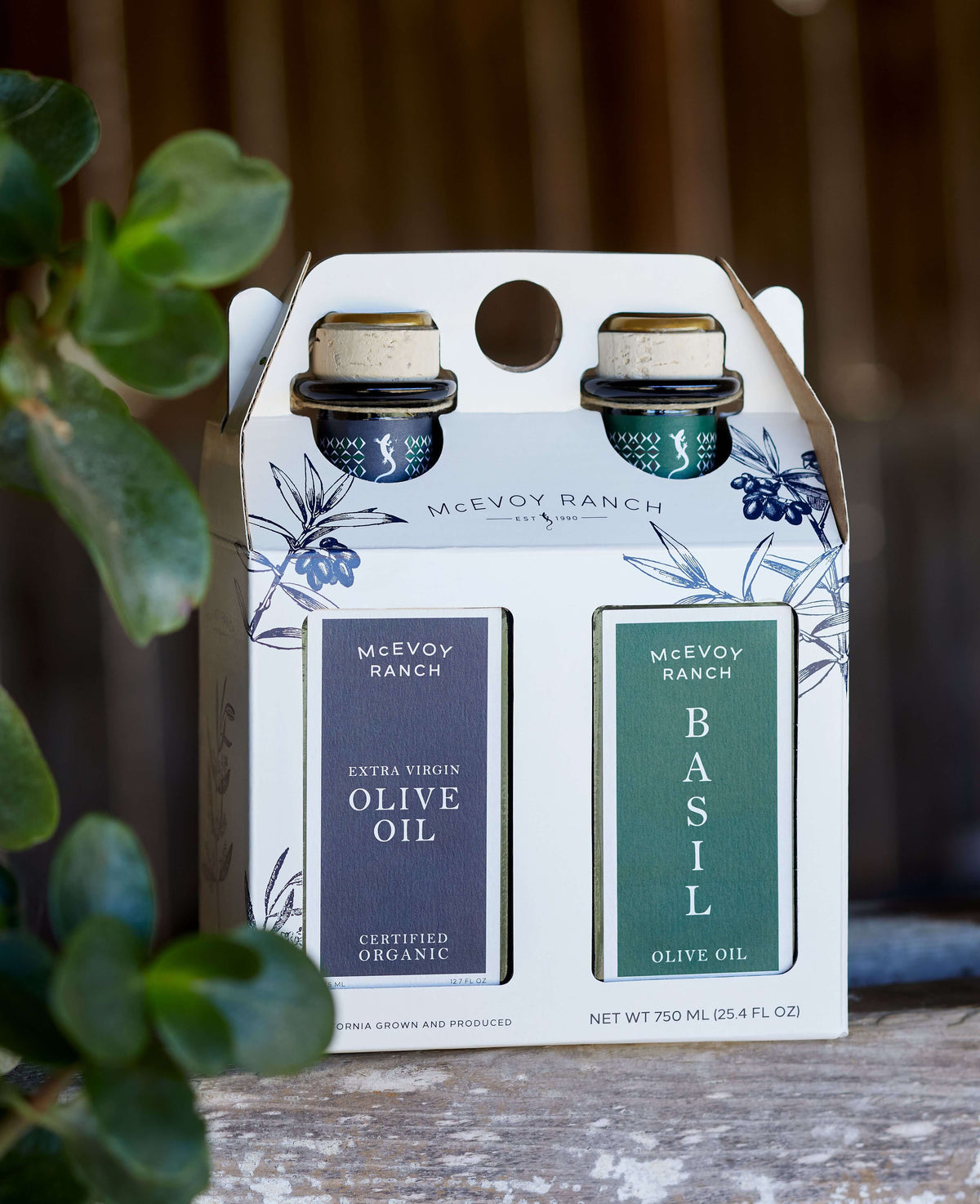
Explore the McEvoy bottles referenced throughout this guide: