OLIVE OIL, VINEGAR, AND SALADS
Oil and vinegar have been used as dressings as far back as the Babylonians. Wine is one of the world’s most ancient foods and as long as there has been wine, in fact probably before there was wine, there was vinegar, since vinegar literally means “spoiled wine.” It is wine that has turned and become very acidic; it can no longer be drunk but makes a wonderful dressing. While it was a natural flavor combination, what the ancients likely did not know is that these two ingredients contain a number of components that support a healthful diet. Both olive oil and vinegar contain high levels of the plant-based antioxidants known as polyphenols, which researchers have studied in connection with inflammation and blood pressure.
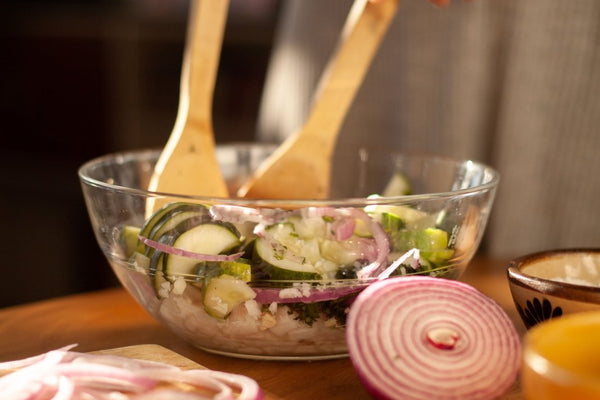
Salads are excellent when dressed with a blend of red wine vinegar and extra virgin olive oil. The acidity of the vinegar marries with the texture and viscosity of the oil and enhances the subtle flavors of the leafy greens without overpowering them. This works well when you have many different ingredients in your salad and you want a more subtle dressing that won’t overpower or clash with a range of flavors.
OLIVE OIL & VINEGAR ON YOUR TABLE
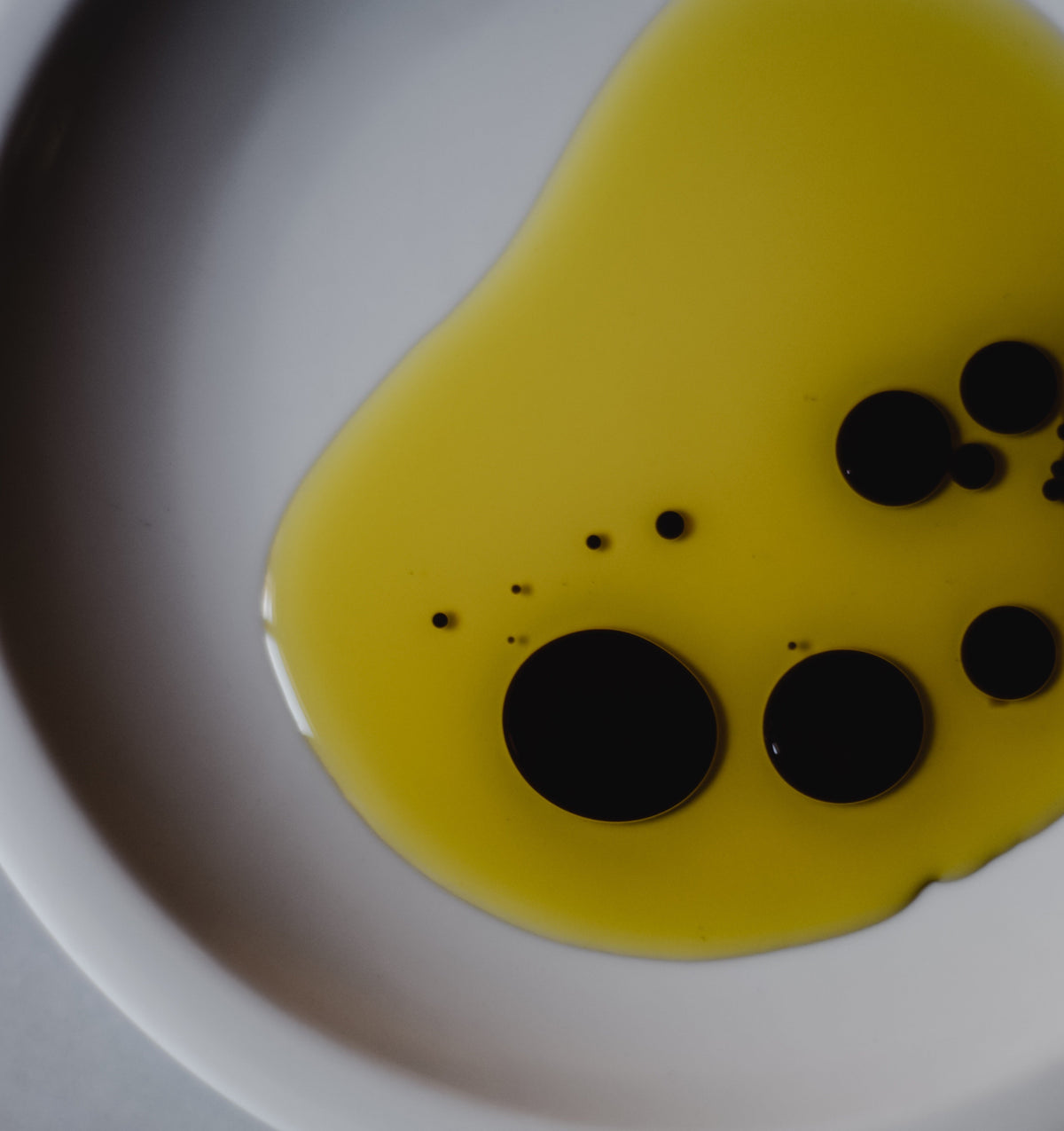
Some years ago, little bottles of olive oil and, typically, some sort of balsamic vinegar began appearing on restaurant tables along with a little dish or bowl. Oil would be poured, vinegar would be swirled and hunks of bread would be dipped in. While appearing to be genuinely, authentically Italian, nothing could have been further from the truth, primarily because Italians don’t have the tradition of eating bread before a meal. Their starch of choice is, of course, pasta, and with pasta comprising the first course of a meal, the addition of bread is simply redundant. Not that it isn’t delicious; it’s more of a cultural thing. And while bread before a meal isn’t commonly eaten, grilled or toasted bread drizzled with olive oil is a genuinely fabulous Italian tradition.
In Italy, the only real condiment, that is, dressing for food, is olive oil, and to a lesser extent, vinegar, particularly balsamic vinegar. However, balsamic is rarely used as a salad dressing. It is far too precious (and expensive) and is usually reserved for sprinkling on roasted vegetables and grilled meats. Because of its sweetness, it’s best known for its uses with desserts; fruits, gelato, and cheeses are delicious when drizzled with balsamic vinegar.
EXTRA BENEFITS
Olive oil is high in vitamin E, another antioxidant that protects fats from damage by free radicals. Vinegar, while not a source of vitamin E, has antioxidant properties that help in the digestion of starches. As a fermented food, vinegar has been studied for its effect on the glycemic response to complex carbohydrates. There is also some early research linking vinegar to weight management, possibly related to glucose tolerance. So by pouring olive oil and vinegar on your salad, or making a vinaigrette, are you magnifying the individual benefits of these two ingredients? There are no conclusive studies indicating a clear answer one way or another, but since these two foods have been part of our diet for centuries, it’s safe to assume that the two of them go a long way to making our lives healthy and happy.