In this guide:
- Why olive oil remains popular in skincare
- What DIY olive oil scrubs actually do for skin
- Common mistakes with homemade scrubs
- When olive oil skincare helps dry skin (and when it doesn't)
- How professional formulations improve consistency and comfort
- Olive oil lotion vs. body oil vs. body wash
- Sensitive skin, eczema, and texture considerations
- Choosing the right olive oil skincare routine
- Key takeaways

ODE Body Oil — a polished, olive-oil-based option for daily moisturizing without the mess of DIY.
Shop ODE Body OilWhy olive oil keeps showing up in skincare
Olive oil has been used on human skin for centuries because it's comfortable, protective, and familiar. As a natural oil, it contains fatty acids and compounds that help reduce moisture loss and support the skin barrier. That's the core reason olive oil skincare continues to appeal—especially for people dealing with dryness or seasonal irritation.
Modern conversations about olive oil skincare often focus on antioxidant content, including naturally occurring vitamin E and polyphenols. While these Antioxidant properties of extra virgin olive oil can greatly enhance skin health. don't turn olive oil into a miracle cure, they do support skin comfort by helping protect your skin from everyday environmental stress and free radicals.
DIY olive oil scrubs: what they do (and don't do)
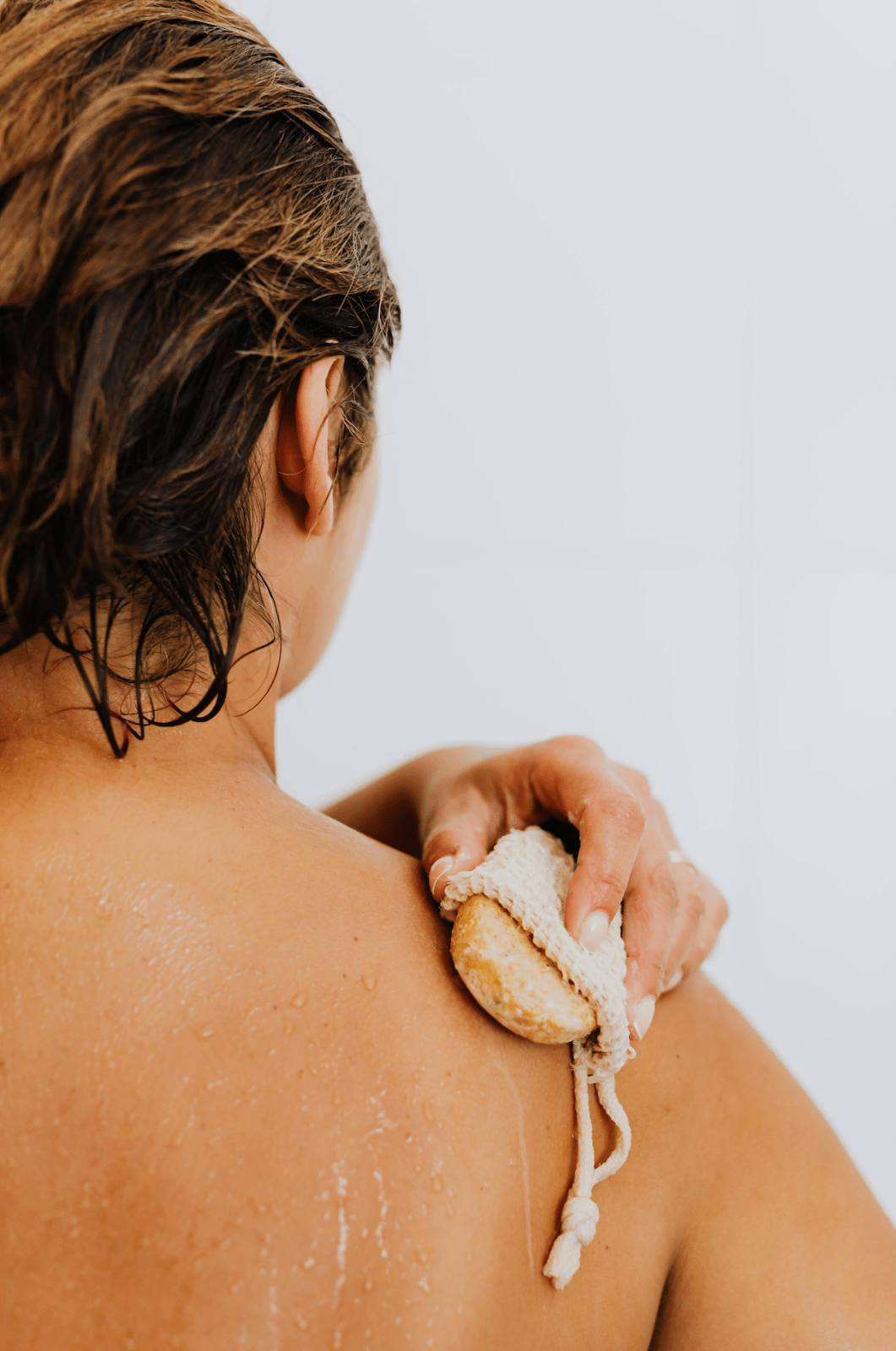
DIY scrubs usually combine pure olive oil with a physical exfoliant like sugar or salt. The idea is simple: exfoliate dead skin cells, then let oil soften the surface. Used occasionally, a homemade scrub can help skin feel smoother—especially on rough areas like elbows or heels.
But here's the limitation: DIY scrubs are blunt tools. Without controlled particle size or pH balance, olive oil based products can disrupt the skin barrier. skin barrier, particularly for people with sensitive skin. Over-scrubbing can lead to irritation, excess dryness, or flare-ups of underlying skin conditions.
Common DIY mistakes that cause irritation
One of the biggest issues with DIY olive oil skincare is overdoing it. Using coarse exfoliants too often can create micro-irritation. Adding essential oils without proper dilution increases the risk of reactions—especially when combined with exfoliation.
Another problem is unpredictability. A kitchen blend doesn't account for skin type, climate, or how often you cleanse. This is where olive oil may feel great one week and suddenly feel uncomfortable the next.
Olive oil for dry skin: when it helps most
For dry skin, olive oil can be genuinely helpful when used to reduce moisture loss. Applying oil to damp skin helps hydrate indirectly by sealing in water after bathing. This is one of the most practical The benefits of olive oil, especially extra virgin olive oil, are numerous for skin care. in daily skin care.
Problems arise when olive oil is used as a one-step fix. Skin still needs water; oil simply helps keep it from escaping. Without that context, people end up applying more oil than needed, leading to excess oil and discomfort.

Olive Oil Body Balm — targeted relief for very dry areas without DIY mixing.
Shop Body BalmWhy professional olive oil skincare products feel different
Professionally formulated olive oil skincare products are designed to solve the biggest DIY problem: inconsistency. These skincare products balance oil with water, humectants, and stabilizers so they moisturize evenly and predictably.
Instead of relying on raw oil alone, formulas are built to support skin health Using olive oil day after day can contribute to healthier skin. This is where texture matters—lotions, oils, and washes are each designed for specific moments in a skincare routine.
Olive oil lotion vs. body oil vs. body wash
An olive oil lotion is ideal for daytime use, offering hydration that absorbs quickly. A body oil works best after bathing or before bed, when skin can take advantage of a richer layer. An olive-oil-based body wash focuses on gentle cleansing without stripping natural oils.
Using these together—rather than replacing everything with DIY oil—creates a more reliable system. This layered approach supports Healthy skin can be achieved by incorporating olive oil skin care products into your routine. without overwhelming it.

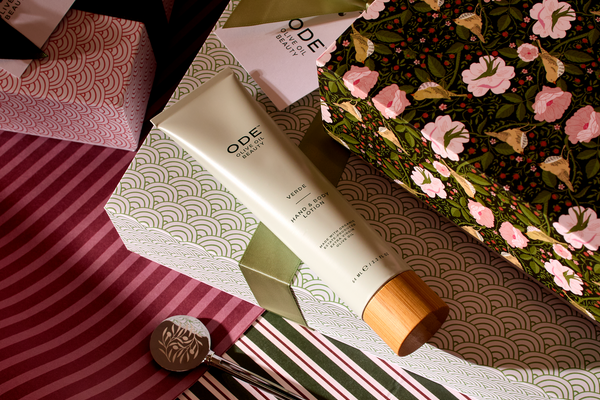
ODE Hand & Body Lotion Discovery Set — an easy way to explore professional olive oil body lotions.
Shop Discovery SetSensitive skin, eczema, and caution with DIY
If you're managing eczema or easily irritated skin, DIY scrubs are rarely ideal. Physical exfoliation combined with unbuffered oils can aggravate symptoms. In these cases, gentle, professionally formulated care products are usually the safer option.
This doesn't mean olive oil isn't good for your skin; it means delivery matters. Controlled formulations help protect your skin while still leveraging the power of olive oil.
Choosing the right olive oil skincare routine
The best approach blends simplicity with intention. Use DIY occasionally for specific needs—like smoothing rough patches—but rely on consistent, well-designed products for daily care. This is how you protect your skin without turning skincare into a chore.
Whether you prefer organic olive oil from your kitchen or olive oil-based products made for face and body, your routine should feel calm, repeatable, and supportive—not reactive.
Key takeaways
- Olive oil skincare Olive oil skin care works best when used consistently and thoughtfully.
- DIY scrubs can help occasionally but are easy to overdo.
- Professional formulations improve texture, stability, and comfort.
- Dry or sensitive skin benefits from predictable, gentle routines.
- The goal is healthy skin, not aggressive exfoliation.
In short, olive oil for skin can support skin in meaningful ways—but how you use olive oil's benefits matters. For everyday comfort and balance, professionally crafted ODE products offer a more reliable experience than DIY alone.
Featured Olive Oil Skincare Products
Explore the olive-oil-forward ODE products mentioned in this guide:
Prefer it done for you?
Our ODE collection turns McEvoy olive oil into ready-made skin and body care, made on the same certified organic ranch.
Explore ODE skin careRelated reading