In this guide:

ODE Body Oil — a daily ritual that brings olive oil into self-care with a clean, modern feel.
Shop ODE Body OilWhat are the real olive oil benefits for skin?
If you've ever searched olive oil for skin and landed on a page promising dramatic transformations, here's the calmer truth: olive oil is a remarkably functional natural oil That can help your skin feel more comfortable—especially when dryness, weather, or frequent washing leave you feeling tight, thanks to the properties of olive oil. The benefits of olive oil in skincare tend to show up as softness, smoother texture, and a more "settled" surface.
In plain terms, olive oil benefits are often about supporting the feel of skin hydration and reducing the look of dullness. Olive oil can help by coating the surface and slowing down moisture loss—so your skin feels calmer for longer. That's why people describe it as an olive oil moisturizer approach: not because it adds water to skin, but because it helps keep water from escaping.
Olive oil and olive oil body care are not a treatment for any medical condition; for a persistent skin concern, talk with a dermatologist or healthcare professional.
Why Mediterranean skincare keeps coming back to olive oil
Mediterranean skincare isn't a single product—it's a mindset: less harshness, more consistency, and ingredients that feel timeless. Olive oil is one of those staples because it's familiar, versatile, and easy to incorporate olive oil into daily life. It's also why you'll see "inside & out" routines where people cook with a bottle of olive oil and also include olive oil in body care.
The goal isn't perfection; it's comfort. A steady, gentle skincare routine tends to protect your skin from the cycle of "strip everything → feel irritated skin → overcorrect with heavy products." When you keep things simple—cleanse gently, moisturize consistently, and avoid overdoing it—your Skin health can benefit from the incorporation of olive oil into your skincare routine. usually looks better over time. In other words: olive oil really shines when it supports habits you'll actually maintain.
Antioxidant talk: what "packed with antioxidants" means in real life
You'll often hear that olive oil is packed with an antioxidant profile, and that oil is packed with antioxidants that help defend against everyday stress. Practically, this is a way of saying olive oil contains plant compounds that can support a healthier-feeling surface—especially when skin looks tired or stressed. Think "supportive," not "medical."
This is also where vitamin E comes into the conversation. Many people associate the benefits of using olive oil with improved skin health. extra virgin olive oil with a richer, more "whole" profile than heavily refined oils, and that's part of why it shows up in olive oil in skincare. These naturally occurring components can be part of what makes skin feel more comfortable—especially if your routine is currently too stripping. (Translation: your cleanser matters as much as your oil.)
If you want a clean mental model: a good antioxidant routine supports your skin's comfort over time, in part by helping reduce the impact of free radical stress from the environment. That doesn't mean olive oil "erases" skin damage—it means it can be a helpful piece of a routine that aims to protect your skin and keep it feeling resilient.

Organic Extra Virgin Olive Oil — a pantry staple that fits the "inside & out" Mediterranean approach.
Shop Organic EVOOHow olive oil supports the skin barrier (and where it can feel too rich)
A strong skin barrier is the difference between skin that feels steady and skin that feels reactive. When the barrier is compromised—too much hot water, too much cleansing, too much friction—skin can start to feel tight or irritated. This is one reason use of olive oil has been a long-standing practice: it can help slow moisture loss and keep your skin feeling comfortable.
Here's the nuance: olive oil may feel perfect on some skin and too rich on others. Your skin type matters. If your skin leans dry or mature, olive oil's richer feel can be a win. If you're more oily, you may prefer an olive oil-based product that's formulated to feel lightweight rather than applying a thick layer of oil directly. This is where "barrier support" becomes less about trends and more about choosing the texture you'll actually enjoy.
As a simple rule: olive oil helps when it's used in a small amount and paired with a gentle routine. If you're seeing shine you don't want, that's usually a sign of excess oil, not "too much hydration." Dial the amount down and focus on the areas that need it most.
How to apply olive oil (and not end up with excess oil)
If you want to apply olive oil the simplest way, start with drops of olive oil—literally. A small amount of olive oil spread between your palms goes a long way. The most practical move is applying oil to slightly damp skin, because it helps moisturize the skin by "sealing in" water. This is one of the most repeatable ways to use olive oil without feeling heavy.
For body care, focus on elbows, hands, shins, and anywhere that tends to feel rough. For face use, keep it lighter: a small amount of olive and a careful approach. While some people experiment with olive oil on their skin directly, many prefer olive-oil-based skincare products that offer the same comfort with better absorption and a more refined feel. If you're experimenting with olive oil on your face, patch test first—especially if you have sensitive skin or a history of flare-ups. The key is controlled comfort, not a glossy finish.
And if you're curious about quantities: you don't need a tablespoon of olive oil on skin. Think "a few drops of olive oil" for face or targeted areas, and a slightly larger amount for legs or arms if needed—whether you're using olive oil directly or a professionally formulated olive oil moisturizer. The best ways to use olive oil are the ones that feel effortless and don't create extra cleanup.
Olive oil for dry skin: a winter-ready routine
For dry skin in colder months, the most effective routine is simple and consistent. Keep showers warm (not scorching), pat skin so it's still slightly damp, and then apply your moisturizer or body oil right away. This helps support skin hydration and reduces that tight, papery feeling. Done consistently, olive oil may help. improve skin comfort in a noticeable way.
If dryness is stubborn, layering can help: a lightweight lotion first, then a body oil or balm on top. This can be especially helpful for hands that get washed frequently. The goal is to keep your skin comfortable rather than chasing an "instant fix." Over time, these habits can support skin elasticity and a more resilient feel—especially when you're consistent.

Olive Oil Body Balm — a richer, comfort-first layer for elbows, hands, and winter skin.
Shop Body BalmIs olive oil good for your skin if you have sensitive skin?
The honest answer: it depends on the person and the overall formula. Olive oil contains naturally occurring compounds that many people tolerate well, but sensitive skin can react to lots of things—friction, fragrance, over-cleansing, and even "natural" ingredients. So if you're trying olive oil for the skin for the first time, patch test and start small.
If you do well with oil, keep it simple: avoid mixing too many new products at once and focus on barrier comfort. If you don't do well, that doesn't mean olive oil is "bad"—it just means your particular skin conditions or triggers might need a different texture or approach. The main point: your routine should feel soothing, not like a science experiment.
What about oily or acne-prone skin?
If you have acne-prone skin or you're in the oily or acne-prone skin camp, you can still explore olive oil—but it's usually best to keep it targeted and lightweight. Some people do better with olive oil-based products designed to absorb quickly rather than applying a heavy layer of oil. A small amount applied to dry patches can be a better move than coating the entire face.
Also, remember the basics: if your cleanser is stripping, your skin may overcompensate. Gentle cleansing plus thoughtful moisturizing often does more for balance than adding more and more products, especially when you incorporate the benefits of using olive oil. If you're unsure, start with body care first and see how your skin reacts.
Olive oil on your face vs. olive oil-based body care
Olive oil on your skin can mean a lot of different things. For some, it's a few drops used occasionally. For others, it's a full routine of olive oil in your skincare via cleansers, balms, and body oils. The more practical approach is choosing the right texture for the job.
Body skin is often more forgiving and more prone to dryness—so olive oil body care tends to be the easiest entry point. Face skin can be more reactive and more prone to clogged pores—so if you try olive oil on your face, keep it light and intentional. In many cases, a formulated product is the simpler option because it's designed to spread evenly, absorb well, and feel comfortable.
If you want to use olive oil in a way that feels "modern," think of it as one supportive step inside a balanced skin care routine, not a replacement for everything. That's how you keep your skin feeling steady without overdoing it.
Inside & out: skin and hair wellness that feels Mediterranean
The "inside & out" idea is popular because it's intuitive: habits stack. Using olive oil in your kitchen is part of a broader wellness pattern, and topical care supports daily comfort. This isn't about claiming a single ingredient changes everything; it's about building a routine that supports healthy skin and consistent comfort. In that sense, olive oil is one of the simplest lifestyle upgrades you can actually maintain.
If you also care about skin and hair, olive oil can play a role in both. For hair, a small amount on ends can add slip and reduce the look of frizz. (And yes, that's a different use case than body care—your hair and scalp have different needs.) If you want a more controlled approach than applying kitchen oil, a formulated hair oil can feel cleaner and easier to use consistently.
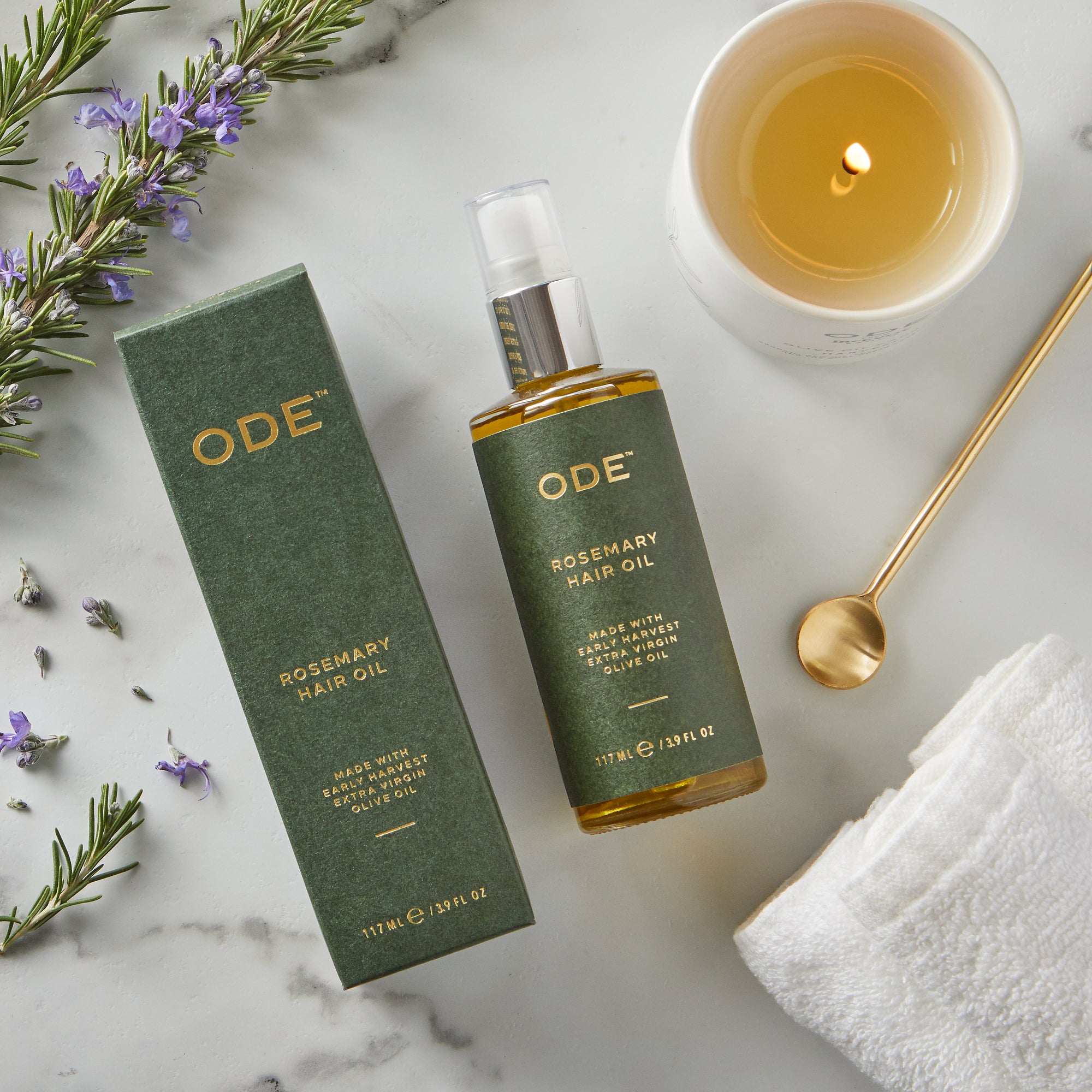
Rosemary Hair Oil — a lightweight way to incorporate olive oil into a regular hair ritual without going heavy.
Shop Rosemary Hair OilIf you prefer a straightforward framework, here's one that works: cook with quality extra virgin olive oil, then keep your topical routine consistent and gentle. That's the heart of Mediterranean-style care—simple, repeatable, and comfortable. And if you're ever unsure, start smaller: a few drops, a simple routine, and adjust based on how your skin feeling changes over a week.

Whipped Body Butter — a plush texture for nights when your skin needs extra comfort.
Shop Body ButterKey takeaways
- Olive oil benefits for skin are mostly about comfort: softness, smoother texture, and barrier support—not miracle claims.
- A strong skin barrier Olive oil also helps your routine feel calm; gentle cleansing plus consistent moisturizing usually beats aggressive treatments.
- Use less than you think: a small amount of olive oil (or a few drops) often works better than a heavy layer of oil.
- If you have oily or acne-prone skin, keep olive oil targeted and lightweight—body care is often the easiest place to start.
- For "inside & out" Mediterranean wellness, pair kitchen habits with topical routines that are simple enough to repeat.
In short: olive oil for your skin really is a practical ingredient when you use it thoughtfully. It can support skin benefits by helping keep your skin comfortable, and it fits naturally into a routine that aims to protect your skin from feeling stripped or stressed. If you're building an "inside & out" ritual, olive oil can be used in more than one way—just keep the approach gentle, consistent, and tailored to your skin type.
What are the main benefits of olive oil for skin?
Olive oil for skin benefits include deep skin hydration, antioxidant protection, and support for healthy skin barrier function. Compounds in olive oil such as vitamin E, polyphenols, and oleic acid help moisturize the skin, reduce free-radical damage, and may improve skin elasticity. Extra virgin olive oil is packed with these beneficial compounds, making it an excellent choice for giving your skin nourishment and reducing signs of dryness.
How can I use olive oil in your skincare routine safely?
To use olive oil in your skincare routine, apply a few drops of organic olive oil or extra virgin olive oil to slightly damp skin to lock in moisture, or mix olive oil with carrier ingredients like aloe or honey for a gentle mask. Because olive oil can be heavy, also use olive oil sparingly if you have oily or acne-prone skin and patch-test first to ensure it's suitable for your skin type.
Is olive oil for your face effective for reducing dead skin cells?
Olive oil for your face can help soften and loosen dead skin cells when combined with gentle exfoliation. Mixing olive oil with a mild scrub (such as sugar) can aid in removing buildup without stripping natural oils. However, for certain skin conditions like active acne, avoid aggressive scrubbing and consult a dermatologist to prevent further skin damage.
Can extra virgin olive oil moisturize the skin better than other oils?
Extra virgin olive oil contains a high concentration of monounsaturated fatty acids and antioxidants, which can deeply moisturize the skin and support skin hydration. While sunflower seed oil and some seed oil blends may be lighter and more suitable for oily skin, extra virgin olive oil is an excellent option for dry or mature skin types that need richer nourishment.
What are the effects of olive oil on sensitive or certain skin types?
Olive oil may be soothing for many people, but olive oil can also irritate some individuals with sensitivity or rosacea. Because compounds in olive oil vary by processing and origin, choose virgin or organic olive oil and conduct a patch test. If you experience redness or increased skin sensitivity, discontinue use and consider alternative oils that are suitable for all skin types.
How does olive oil in skincare compare to commercial moisturizers?
Olive oil in skincare offers natural benefits like antioxidants and essential fatty acids that can benefit the skin without synthetic additives present in many commercial products. While olive oil benefits your skin by helping to restore the lipid barrier, commercial moisturizers are often formulated to address specific concerns (SPF, anti-aging actives). You can also incorporate olive oil into your skincare by mixing small amounts into creams to boost hydration.
Can olive oil for skincare help improve skin elasticity and aging signs?
Regular use of olive oil for skincare may help improve skin elasticity thanks to antioxidants and vitamin E present in olive, which protect collagen and reduce oxidative stress. Virgin olive oil is packed with polyphenols that may support skin resilience and minimize the appearance of fine lines when used consistently alongside sun protection and healthy habits.
Are there any risks of using olive oil on your skin daily?
Using olive oil on your skin daily is generally safe for many people, but olive oil can clog pores for some and may worsen acne or trap impurities if not used properly. To avoid issues, avoid applying thick layers to acne-prone zones, cleanse thoroughly, and consider blending olive oil with lighter oils if concerned about pore-clogging.
How can I incorporate olive oil into your skincare and routines effectively?
You can incorporate olive oil into your skincare by using it as a nighttime moisturizer, an addition to DIY masks, or a gentle makeup remover. For best results, apply olive oil to damp skin to maximize skin hydration, and combine with exfoliation to remove dead skin cells. Also use olive oil to your face sparingly and choose high-quality extra virgin or organic olive oil to ensure you receive the full benefits for the skin.
Explore the Complete Olive Oil Beauty Series
Continue the series with these related guides:
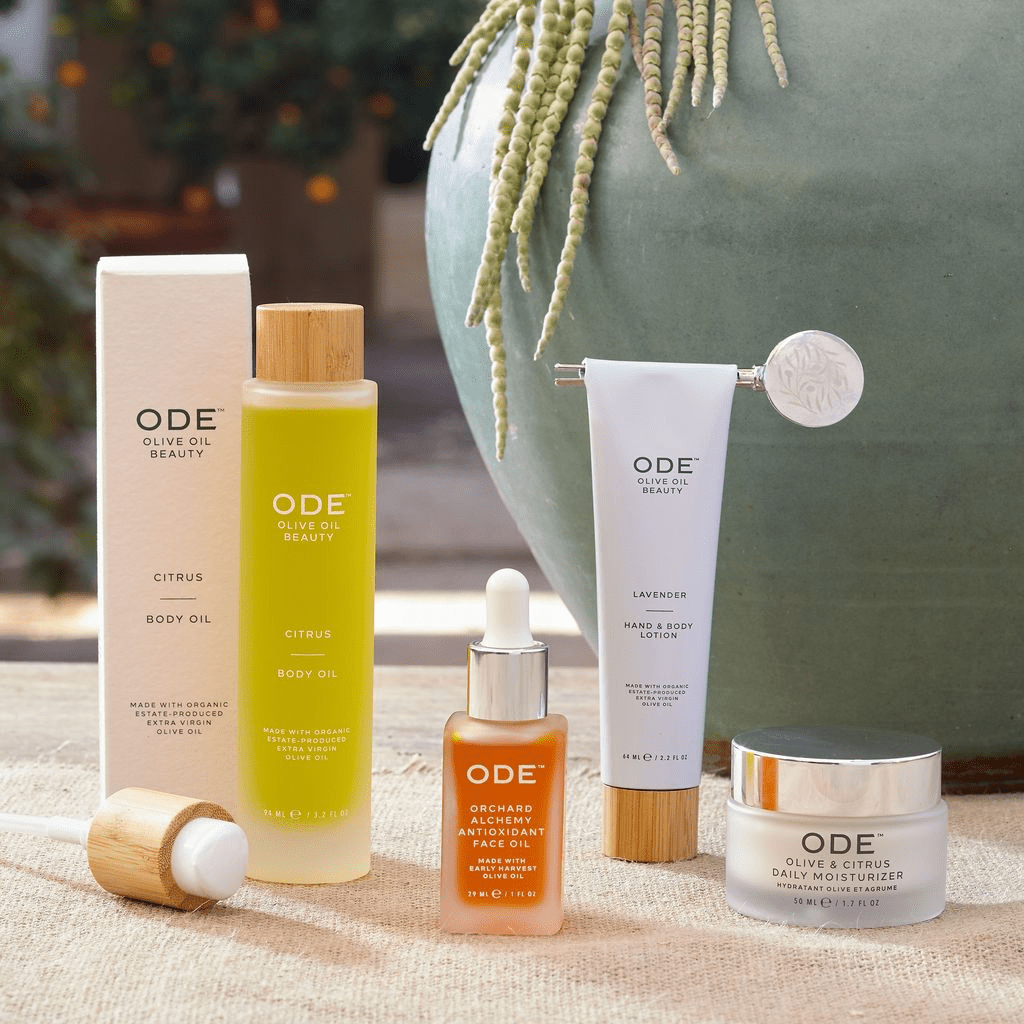
Featured Products Mentioned in This Guide
Explore the olive-oil-forward essentials and ODE self-care favorites referenced throughout this article: